 由 James Boren
 When I think about the essentials of fly fishing, the importance of the right fly line becomes clear. Choosing the appropriate running line is crucial for effective Spey casting and ensuring optimal performance on the water. Floating and sinking running lines each offer distinct advantages, impacting everything from my casting ability to the delicacy of my presentation.
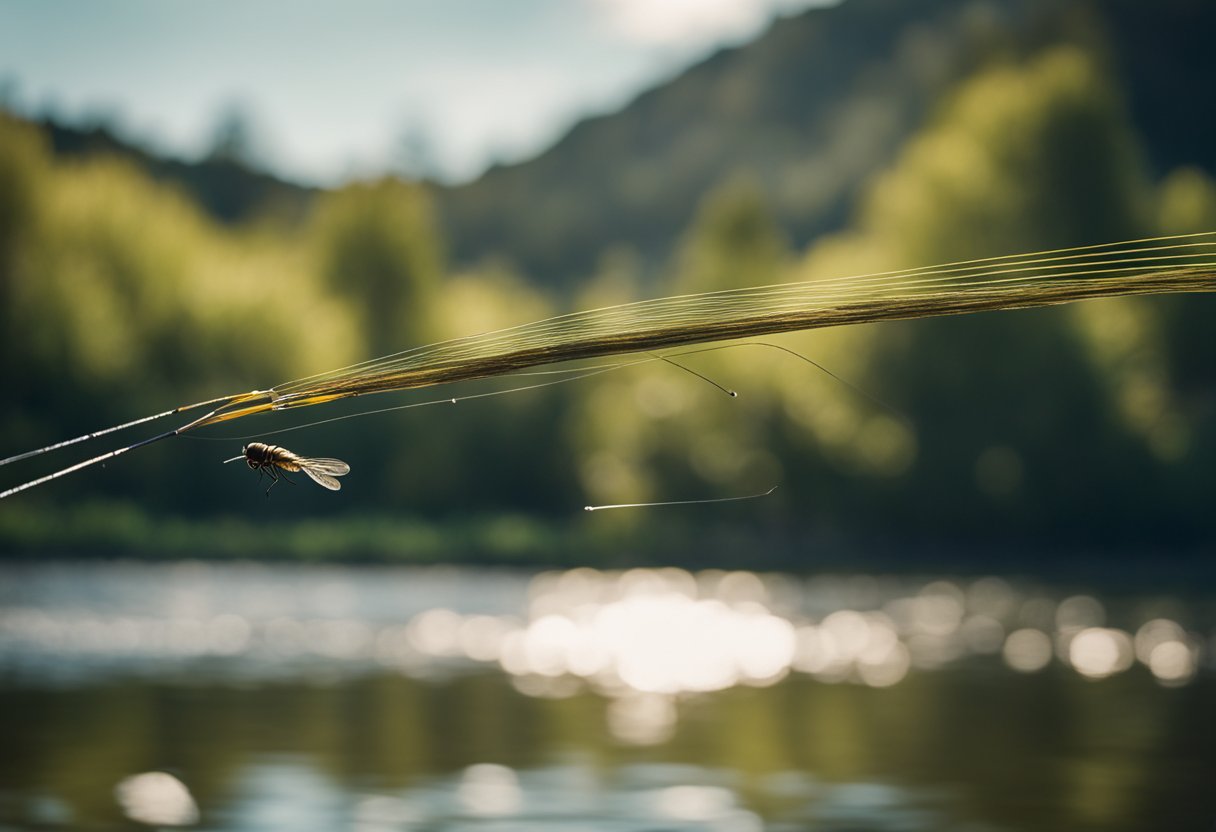
I’ve learned that a floating running line works well for surface presentations and allows for a smooth, controlled cast. In contrast, a sinking running line can help me reach deeper waters, making it invaluable for targeting specific fish species. Understanding the differences between these lines enhances my overall fishing strategy and experience.
As I refine my casting skills, I often focus on the role of shooting lines as well. They can significantly affect my ability to efficiently manage line during casts, ensuring that I am prepared for whatever the day on the river might bring. With the right combination of fly line types, I can adapt to various fishing conditions and improve my success on the water.
Fundamentals of Fly Line and Running Line
Understanding the fundamentals of fly lines and running lines is crucial for effective fly fishing. This knowledge enhances my casting accuracy and control, allowing for better performance on the water.
Types of Running Lines
There are two primary types of running lines: floating and sinking. Each type serves different fishing conditions and techniques.
Floating Running Line: This line keeps my fly well-positioned on the surface. It’s ideal for dry fly fishing and provides excellent line control. Materials like the Airflo Ridge Running Line offer low memory and reduced drag, enhancing my casting distance.
Sinking Running Line: Used when I need my fly deeper in the water column. This line aids presentations for species that dwell near the bottom. Rio Slickshooter is a popular choice, providing smooth shooting properties and excellent durability in various conditions. Both types play vital roles depending on my target species and fishing scenario.
Selecting the Right Fly Line
Choosing the right fly line involves several factors, including the grain weight suited for my rod and the specific fishing method I’m using. For Spey fishing, I focus on the head weight of the line, as it directly impacts my casting performance.
In general, lighter head weights facilitate precision in short casts, while heavier options are better for longer distances. It’s also vital to consider the tapered leader, as this affects my presentation and turnover.
Incorporating techniques like shooting heads enables me to maximize the benefits of my chosen line, enhancing my overall fishing experience. Adjusting my line selection based on conditions, target species, and my own casting style ensures greater success on the water.
Spey Casting Techniques
Mastering Spey casting requires an understanding of both foundational techniques and tips for improvement. I will highlight the basics of Spey casting and provide practical tips to enhance your skills for targeting species like steelhead and salmon.
Spey Casting Basics
Spey casting is an essential technique for fishing in rivers, especially when targeting steelhead and salmon. The key element is the use of a long rod and specialized lines, allowing for efficient casting in tight spaces. I often use roll casts to reposition the line quickly while minimizing movement.
The D-loop is crucial for generating the power needed in the forward cast. To create this, I lift the line off the water and position it behind me, forming a loop. My goal is to ensure that the line is well behind my body to maximize the casting distance. Practicing single and double Spey casts will help me gain better control and tackle changing water conditions.
Improvement Tips for Spey Casting
To improve my Spey casting technique, I focus on several key areas. First, attention to body movement is critical. My stance should be stable, with slight weight distribution favoring my back leg. This positioning enhances balance and control during casting.
I pay close attention to the timing of my casts. Proper timing allows for a smooth transfer of energy from my body to the rod. Practicing with a metronome can help me find the right rhythm.
Lastly, I find that using different lines, like floating or sinking running lines, can help me adapt to various conditions. Experimenting with casting angles is also beneficial, as it allows me to effectively target different areas of the water, whether fishing for tarpon or other species.
Advanced Fly Line Considerations
When fishing, selecting the right fly line for specific conditions and target species can significantly enhance my success rate. I consider several factors, such as line type, taper, and leader setup to maximize efficiency.
Matching Fly Line to Fishing Conditions
In choosing a fly line, I assess water type and depth. For rivers with stronger currents, a Skagit head is beneficial as it loads quickly and casts heavy sink tips effectively. In shallower waters, I often prefer a Scandi head, which allows for delicate presentations, particularly for species like steelhead and salmon.
The use of shooting lines helps in extending my casts. I also factor in water temperature, as fish may be less active in colder conditions. A floating line might work best for surface flies like dries, while a sinking line or sink tips may be needed for deeper presentations. Using options like polyleaders provides versatility to adapt quickly to changing conditions.
Customizing Fly Line Setup for Target Species
I customize my fly line setup based on the species I’m targeting. For salmon and steelhead, I prefer a tapered leader that transitions smoothly from the line to the fly. Using a Rio Powerflex leader can improve turnover and presentation.
When targeting larger species like tarpon, I opt for a heavier sink tip that ensures my fly reaches the desired depth quickly. I also pay careful attention to the front taper of my line, as a longer taper helps present larger flies effectively. Understanding each species’ feeding habits helps in making these decisions. This tailored approach greatly influences my overall fishing success.