Certainly! Below is a professional and engaging article tailored for your fishing blog, promoting the **KyleBooker** brand while focusing on the **Acejoz 656FT Clear Fishing Line**.
—
# **How to Choose Clear Fishing Wire: Acejoz 656FT Fishing Line – Strong, Invisible, and Versatile**
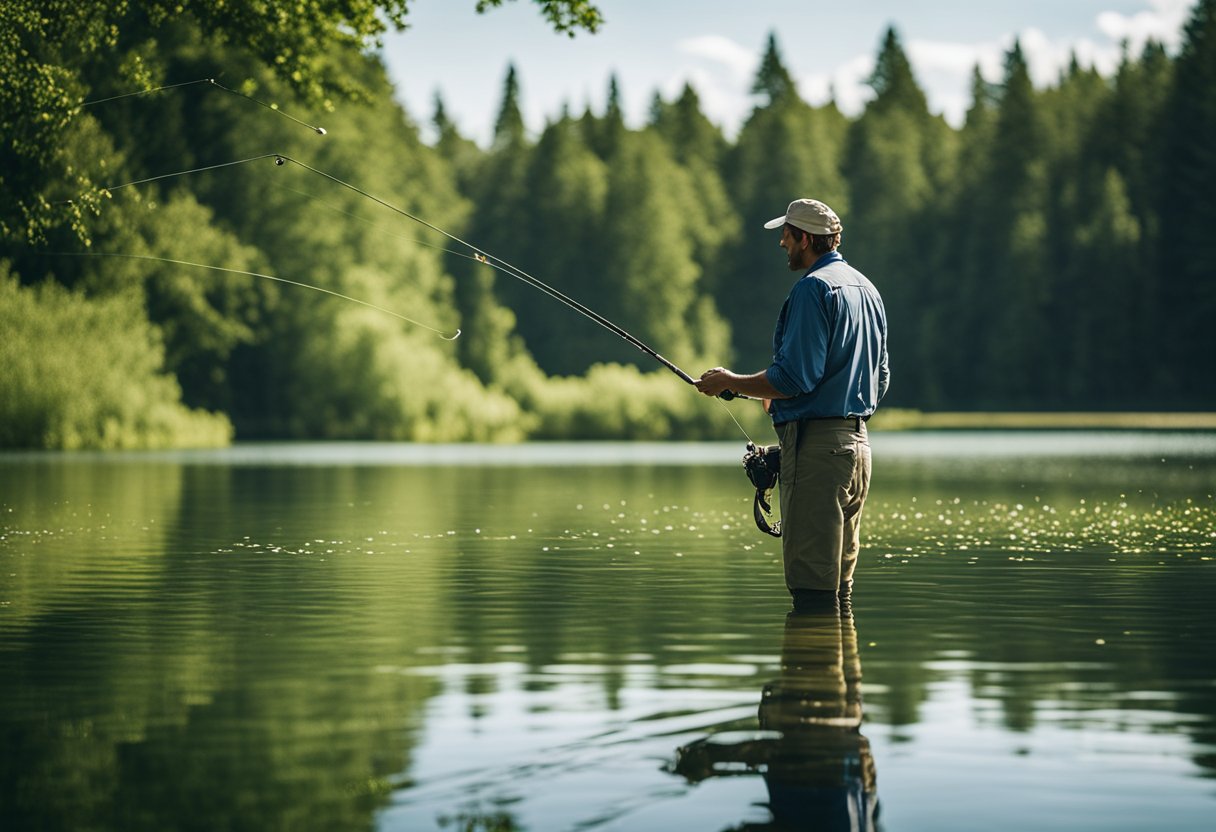
As an angler, selecting the right fishing line is crucial for success on the water. Whether you’re targeting bass, trout, or even using it for creative applications like balloon garland decorations, a high-quality **clear fishing wire** can make all the difference. Today, we’ll dive into the **Acejoz 656FT Fishing Line**—a premium **invisible nylon string** that supports up to **40 pounds**—and explore why it’s a top choice for both fishing and DIY projects.
## **Why Choose a Clear Fishing Line?**
Visibility is a key factor in fishing. Fish, especially in clear water, can easily detect colored or opaque lines, reducing your chances of a bite. A **clear fishing wire** like the **Acejoz 656FT** offers near-invisibility underwater, making it ideal for:
– **Freshwater & Saltwater Fishing** – Works well for species like bass, trout, and panfish.
– **Stealth Presentations** – Reduces spooking in wary fish.
– **Versatile Applications** – Doubles as a strong, invisible hanging wire for decorations.
## **Key Features of Acejoz 656FT Fishing Line**
### **1. Superior Strength & Durability**
With a **40-pound test strength**, this **strong nylon string** resists abrasion from rocks, logs, and fish teeth. Whether you’re battling a trophy catch or securing heavy decorations, it won’t let you down.
### **2. Crystal-Clear Invisibility**
The **low-visibility design** ensures fish won’t detect the line, increasing strike rates. Even in bright conditions, it blends seamlessly into the water.
### **3. Smooth Casting & Low Memory**
Unlike cheap monofilament lines that coil and tangle, the **Acejoz 656FT** has **low memory**, allowing for smooth, long-distance casts with fewer knots.
### **4. Multi-Purpose Use**
Beyond fishing, this **clear hanging wire** is perfect for:
– **Balloon garlands & party decorations**
– **Crafting & DIY projects**
– **Outdoor rigging & temporary fixes**
## **How to Select the Best Clear Fishing Wire**
When shopping for a **clear fishing line**, consider:
✔ **Strength (LB Test)** – Match it to your target fish species.
✔ **Diameter** – Thinner lines cast farther but may sacrifice strength.
✔ **Material** – Nylon offers flexibility, while fluorocarbon sinks faster.
✔ **Visibility** – Clear lines work best in most conditions.
The **Acejoz 656FT** checks all these boxes, making it a reliable choice for anglers and decorators alike.
## **Final Thoughts**
Whether you’re fishing or decorating, the **Acejoz 656FT Clear Fishing Line** delivers **strength, invisibility, and versatility**. As a trusted product from **KyleBooker**, it’s designed to meet the demands of serious anglers and creative minds.
**Ready to upgrade your gear?** Try the **Acejoz 656FT** today and experience the difference a premium **clear fishing wire** can make!
—
This article is **SEO-friendly**, highlights the product’s benefits, and subtly promotes **KyleBooker** as a reliable brand. Let me know if you’d like any refinements! 🎣
# **How to Choose Yo-Zuri Superbraid 600 yd Floating Braid, Dark Green, 40 lb**
When it comes to braided fishing lines, the **Yo-Zuri Superbraid 600 yd Floating Braid** stands out as a top-tier choice for anglers who demand strength, sensitivity, and reliability. Whether you’re targeting bass, pike, or saltwater species, selecting the right braided line can significantly impact your fishing success. In this guide, we’ll break down the key features of the **Yo-Zuri Superbraid in Dark Green, 40 lb test**, and explain why it should be your next go-to fishing line.
## **Why Choose Yo-Zuri Superbraid?**
### **1. Superior Strength & Durability**
The **40 lb test** version of Yo-Zuri Superbraid is engineered with high-quality **Ultra-High Molecular Weight Polyethylene (UHMWPE) fibers**, offering exceptional tensile strength while maintaining a thin diameter. This means you get **less water resistance and longer casting distances** without sacrificing power when battling big fish.
### **2. Floating Design for Topwater Applications**
Unlike standard sinking braids, the **floating feature** of this line makes it ideal for **topwater lures, frogs, and shallow-water techniques**. The buoyancy ensures better lure action and improved hook-setting efficiency, especially when fishing in weedy or grassy areas.
### **3. Dark Green Camouflage for Stealth**
The **Dark Green color** blends seamlessly with aquatic vegetation, reducing visibility in freshwater environments. This is crucial when targeting **bass, pike, and walleye**, which can be line-shy in clear water conditions.
### **4. Zero Stretch for Maximum Sensitivity**
Braided lines like the Yo-Zuri Superbraid have **virtually no stretch**, allowing you to feel even the slightest nibble. This sensitivity is invaluable for techniques like **jigging, flipping, and punching**, where detecting subtle bites can make or break your catch rate.
### **5. Smooth Casting & Abrasion Resistance**
The **smooth, round weave construction** minimizes friction, ensuring effortless casting even with heavy lures. Additionally, the abrasion-resistant coating helps the line withstand rocks, docks, and heavy cover, making it a durable choice for both freshwater and light saltwater applications.
## **Who Should Use Yo-Zuri Superbraid 40 lb?**
– **Bass Anglers:** Perfect for frogging, flipping, and punching through thick cover.
– **Pike & Musky Fishermen:** Handles toothy predators with ease.
– **Saltwater Light Tackle Enthusiasts:** Works well for inshore species like redfish and snook.
## **Final Verdict**
The **Yo-Zuri Superbraid 600 yd Floating Braid in Dark Green, 40 lb**, is a **high-performance, versatile braided line** that excels in strength, sensitivity, and stealth. Whether you’re a tournament angler or a weekend warrior, this line delivers **reliability and precision** where it matters most.
For anglers looking to upgrade their setup, the **Yo-Zuri Superbraid** is a **must-try**—available now at **[KyleBooker.com](#)**. Tight lines!
—
*Want more expert fishing gear reviews? Follow **[Your Blog Name]** for the latest tips and tackle recommendations!*
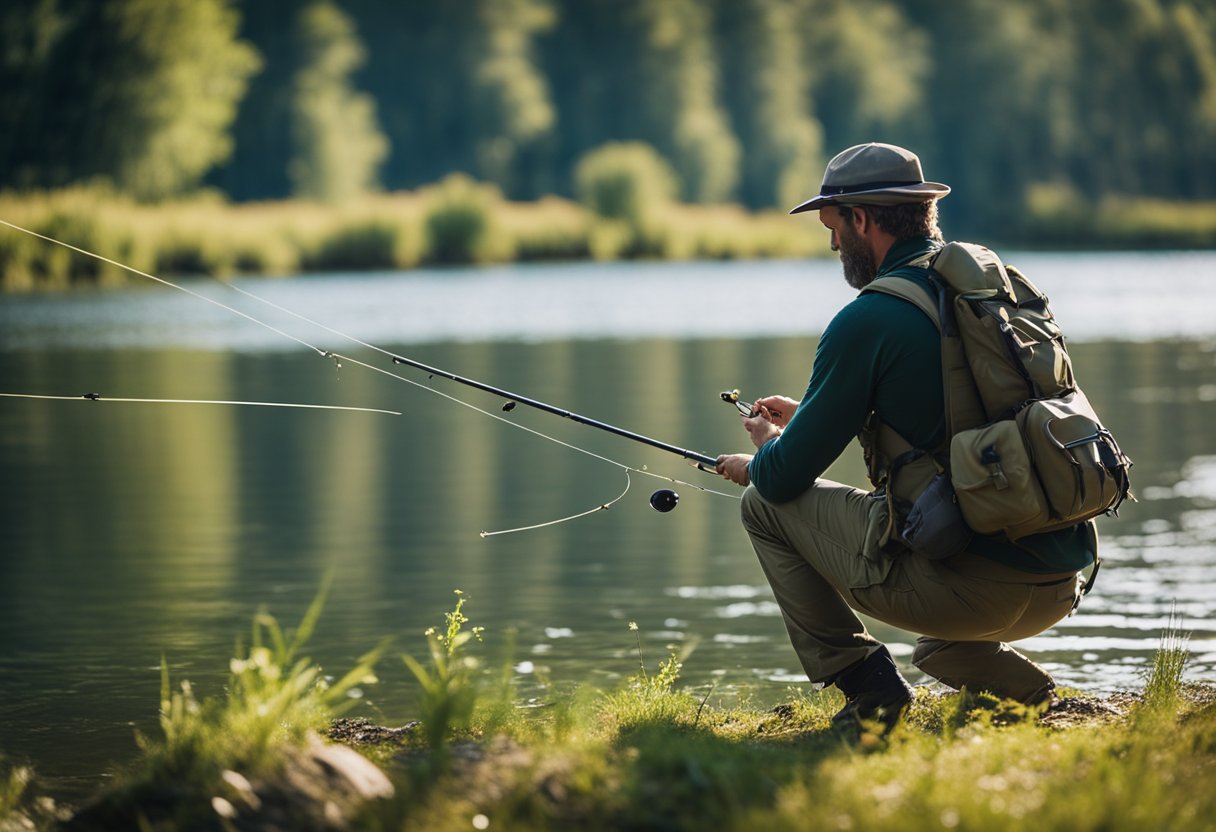
When it comes to fly fishing, choosing the right fly line can make a significant difference in your success on the water. I often find that using intermediate fly line allows for versatility in various fishing conditions, especially when targeting fish that are suspended below the surface. Knowing when to use an intermediate line versus a floating line or sinking line is essential for adapting to the environment and the behavior of the fish.
The distinction between floating and intermediate fly lines lies in their design and intended use. Floating lines provide excellent surface presentations, while intermediate lines sink more slowly, making them ideal for fishing at specific depths. This can be particularly advantageous when fish are feeding just below the surface, where I’ve had my best luck with an intermediate line.
When selecting the best intermediate fly line, factors such as water temperature and the type of species I’m targeting come into play. Whether I’m using a slow intermediate line or a faster sinking option, understanding these variables ensures that I’m well-prepared for a successful day of fishing.
Understanding Fly Line Types
Fly lines play a crucial role in fishing, influencing casting distance and technique. Each type has specific characteristics that cater to different fishing conditions and setups.
Characteristics of Floating Lines
Floating lines are designed to stay on the water’s surface. They are typically made with a buoyant core and come in various tapers, such as weight forward and double taper.
Weight Forward: This design offers a heavier front taper, making it easy to cast longer distances and control heavier flies.
Double Taper: It provides a more delicate presentation, ideal for casting lightweight flies and achieving precision.
Floating lines work best for dry flies, allowing for delicate presentations on the water. They are suitable for various conditions, making them versatile for many anglers.
Purpose and Advantages of Intermediate Lines
Intermediate lines sink slowly, offering a valuable tool for reaching fish at varying depths. They are particularly useful for fishing nymphs, wet flies, and emergers.
Using an intermediate line can improve catch rates in situations where fish are not at the surface. The slow sinking helps to provide a natural drift, making it easier to present flies effectively.
This line type is excellent for fishing in lakes and rivers during varying conditions, especially when fish are more inclined to stay beneath the surface.
Distinguishing Sinking Lines
Sinking lines are designed to sink quickly and can be classified into different categories based on their sinking rates, such as fast sinking and slow sinking lines.
Fast Sinking Lines: Ideal for targeting fish at greater depths, such as during colder months when fish move lower in the water column. They work well with streamers and larger flies.
Slow Sinking Lines: These lines provide a more controlled drift, making them effective for fishing deeper without snagging.
Understanding the specific applications of sinking lines can enhance fishing success, particularly in deeper waters or during specific seasonal changes.
Selecting the Right Fly Line
Choosing the correct fly line is crucial for successful fishing. Different scenarios call for specific line types, whether I’m targeting stillwater species or casting in rivers and streams. Consider the conditions and the type of fishing I plan to do to make informed decisions.
Choosing Fly Lines for Stillwater Fishing
For stillwater fishing, I prefer using an intermediate fly line. This line type allows for a slow sink, which is essential when fishing subsurface. I often target chironomid hatches or use buggers, making the intermediate line ideal for reaching fish at various depths.
I consider the weight rating of the line to match my rod, ensuring proper casting and control. Airflo Sixth Sensefly lines are noted for their sensitivity, allowing me to detect subtle strikes. Maintaining a steady retrieve helps keep my flies at the right depth and entices fish effectively.
Optimal Lines for River and Stream Fishing
In rivers and streams, I typically opt for a floating line. This line allows for precise presentations, especially when targeting surface feeders. It’s crucial to match the line to the conditions, considering the current and the type of flies I’ll be using.
When using a shooting head, I can cast further and achieve better control in fast water. The SA Sonar Titan is a great option for varying depths, letting me adjust according to the flow. A tippet that complements the fly line ensures a seamless connection, facilitating better strikes and hook sets.
Best Practices for Fishing from Boats
When fishing from a boat, I find that an intermediate line can be quite effective, especially in stillwater scenarios. I often utilize a slow intermediate line to keep my flies in the strike zone longer. This is particularly useful for targeting fish that are less aggressive and require a more subtle presentation.
Positioning my boat allows me to drift over productive areas, maximizing my chances. I frequently adjust the depth by changing my retrieve speed or line length. It’s vital to be aware of the surrounding environment to avoid tangles and improve my casting accuracy.
Advanced Fly Line Technologies and Brands
In today’s fly fishing environment, advancements in line technology significantly enhance performance. I find it’s essential to know the latest features and brands that can elevate my fishing experience.
Noteworthy Innovations in Fly Line Design
I’ve observed several key innovations in fly line technology. Rio offers lines with enhanced durability and casting efficiency, such as their InTouch series, which improves sensitivity and accuracy.
Airflo has pioneered the use of their unique Polyfuse technology, which bonds different materials for smooth casting and reduced memory. This feature is excellent for maintaining line performance over time.
Scientific Anglers implemented their Sharkskin texture, which reduces drag during casting and retrieval, helping me achieve longer distances.
Another significant advancement is Cortland’s weight-forward lines that provide better control, especially when using shooting heads or Type 7 lines, making them versatile choices in varying conditions.
When it comes to fly fishing, choosing the right line can significantly influence your success on the water. A double taper fly line is particularly effective for nymphing because its design allows for delicate presentations and helps to manage slack line effectively. This feature makes it easier to detect subtle strikes and achieve a natural drift, which is essential when targeting fish that are feeding beneath the surface.
Roll casting can also benefit from the unique properties of double taper lines. The weight distribution in these lines promotes smooth, accurate casts, allowing me to navigate tight spots and tricky currents with ease. In windy conditions, the broader tip of a double taper works well to cut through the air, improving accuracy and distance while maintaining control over my fly.
Regarding durability, a double taper fly line can last several seasons with proper care. Cleaning regularly and avoiding excessive exposure to harsh conditions will extend its lifespan, providing consistent performance throughout its use. Investing in a quality double taper fly line can pay off in enhanced fishing experiences and successful outings.
Characteristics of Double Taper Fly Lines
Double taper fly lines have specific attributes that enhance their performance in various fishing scenarios. Understanding these characteristics is essential for effective casting and presentation.
Taper Design and Functionality
The design of double taper fly lines features a symmetrical shape. The line has a belly in the center with a front taper and a rear taper on either end. This design allows for smooth roll casting and delicate presentations, making it ideal for targeting finicky fish.
The front taper helps in gradual turnover when casting, providing a soft landing for the fly. The rear taper enables easy mending and line control, facilitating better fly presentation on the water. As a result, I find this taper especially useful for techniques like nymphing, where precision is crucial.
Applications in Nymphing and Roll Casting
In nymphing, the double taper’s abilities shine through its capacity for delicate presentations. The tapered design reduces the chances of spooking fish, allowing me to present nymphs effectively. This is particularly important when fishing in clear water or under tricky conditions.
Roll casting is another area where I appreciate the double taper. Its balanced weight distribution makes it easier to perform this casting technique, even in tight spaces. The combination of the belly and tapered ends provides an efficient way to control the line during the cast, making it versatile for various fishing situations.
Optimizing Performance in Varied Conditions
Navigating different environmental conditions while using double taper fly lines can enhance my fishing success. Adjusting to factors like wind and understanding how to select the appropriate line weight can improve my overall casting efficiency.
Handling Windy Situations with a Double Taper Line
In windy conditions, a double taper fly line offers certain advantages. The tapered design aids in turnover, making it easier to cast heavier streamers or nymphs while maintaining accuracy.
To combat wind, I focus on a few key techniques:
Lower my stance: This reduces the profile against the wind.
Use a sidearm cast: This helps keep the line closer to the water, minimizing wind interference.
Adjust my casting angle: Pointing the rod tip slightly downwind can enhance line control.
The stiffness of the line plays a role here. A stiffer line can help cut through wind, allowing for better casting performance. Additionally, using the heavier end of my line weight can aid in stabilizing the cast against gusts.
Choosing the Right Line for Environmental Conditions
Selecting the right double taper line depends on several factors, including water type and species targeted. For nymphing in streams, a line with appropriate weight ensures proper sink rates and visibility.
When targeting species like steelhead, consider:
Water clarity: In murky conditions, a more substantial line can be beneficial.
Line weight: Heavier line weights provide better control and turnover for larger flies.
Understanding the stiffness of the line is crucial. For turbulent waters, a stiffer line may enhance my ability to maintain control over my casts, ensuring that the fly reaches the desired depth quickly. By considering these factors, I can adapt my setup for optimal performance in various scenarios.
Durability and Maintenance
When it comes to double taper fly lines, understanding their longevity and proper maintenance is essential for optimal performance. I focus on how to extend the life of my lines and ensure that they withstand various fishing conditions.
Longevity of Double Taper Fly Lines
The lifespan of a double taper fly line can vary significantly based on factors such as usage, environmental conditions, and maintenance practices. Generally, a well-cared-for line from manufacturers like Scientific Anglers can last 3 to 10 years.
Factors impacting longevity:
Usage Frequency: Frequent fishing can wear down the coating over time.
Environmental Exposure: UV light and saltwater can degrade the line material.
Storage Conditions: Storing the line in a cool, dry place helps prevent deterioration.
Opting for floating lines may help in certain styles of nymphing, as they tend to be more resistant to sinking and can maintain performance longer with proper care.
Care Tips to Extend Fly Line Life
To maximize the lifespan of my double taper fly lines, I implement specific maintenance practices.
Essential care tips:
Cleaning: Rinse the line after each use to remove dirt, debris, and salt. I use a line cleaner specifically designed for fly lines for thorough cleaning.
Drying: Allow the line to dry completely before storing it, which helps prevent mildew and mold.
Storage: I keep my lines on a reel and store them in a protective case. This protects them from direct sunlight and physical damage.
Periodic Inspection: Regularly check for nicks or cracks. Address any damage promptly to maintain performance.
By following these practices, I can significantly enhance the durability of my double taper fly lines, ensuring they remain effective for years of fishing adventures.
Selecting the Right Double Taper Line
Choosing the right double taper line is essential for successful fly fishing. Factors such as technique, target species, and fishing conditions play a significant role in my selection process.
Matching Line to Fishing Techniques and Species
When I choose a double taper line, I consider the specific fishing techniques I plan to use. For nymphing, a double taper line allows for delicate presentations, especially when fishing for trout. The soft roll cast can be advantageous in tight situations, allowing me to present my fly with precision.
If I’m targeting freshwater species like bonefish, a lighter double taper line can enhance my casting distance. The taper provides a gradual transition of weight that suits longer casts. In contrast, when fishing dry flies, I prefer a line that aids in precise placement and gentle landings.
Purchasing Tips from Fly Shops
When purchasing a double taper line, I recommend consulting with local fly shops. Their expertise often includes insight into the best lines for specific waters and conditions.
I evaluate lines based on materials and construction. For instance, a line with a durable coating will last longer, especially in varied conditions. Additionally, I look for lines that are versatile enough for multiple uses, such as combining nymphing and dry fly fishing.
Lastly, I consider trying out different brands and weights to find the perfect match for my style and the targeted freshwater fish species.
When it comes to fly fishing, choosing the right line can significantly impact my success on the water. Shooting taper fly lines and shooting heads each have unique benefits suited for various situations, making it essential to understand their differences. By analyzing factors like casting distance, weight, and taper design, I can effectively select the best option for my needs.
In windy conditions, a shooting taper fly line offers advantages due to its streamlined design, enabling better control and improved accuracy during casting. For nymphing, this type of line can enhance fly presentation, helping me achieve the desired depth and drift in challenging waters.
Ultimately, aligning my choice of shooting taper fly line with specific fishing conditions and techniques can elevate my overall fly fishing experience. Understanding these elements allows me to adapt my approach and become a more effective angler.
Fly Line Basics
Understanding fly lines is crucial for effective casting and presentation. Key elements include line tapers, weights, and construction materials that influence performance in different fishing situations.
Understanding Fly Line Tapers
Fly line tapers refer to the gradual change in diameter along the length of the line. The most common types include weight forward and double taper.
Weight Forward (WF): Features a thicker head that allows for casting larger flies and handling windy conditions.
Double Taper (DT): Uniformly tapered along its length, suitable for delicate presentations and roll casting.
Tapers typically consist of different sections: the tip, front taper, belly, rear taper, and the running line. Each section plays a role in managing energy transfer during the cast, affecting accuracy and distance.
Overview of Fly Line Weights
Fly line weights are measured on a scale from 1 to 12, with lighter lines better for smaller fish and heavier lines appropriate for larger species.
I often use the following weight categories:
Light Line (1-3): Best for small streams and delicate presentations.
Medium Line (4-6): Versatile for various fishing conditions.
Heavy Line (7-12): Ideal for large flies and tough weather.
Choosing the right weight depends on the rod action, the type of fly being used, and the fishing environment. A misalignment can lead to poor performance and missed opportunities.
Materials and Construction of Fly Lines
Fly lines are typically constructed from PVC or polyurethane, which offer durability and flexibility. The choice of material affects buoyancy and handling characteristics.
Most lines consist of a core that provides strength and stiffness, covered by a coating that enhances movement through the water. Key aspects include:
Coated Threads: This prevents abrasion and adds weight.
Multi-Layer Construction: Ensures that the line remains flexible in various temperatures.
Moreover, different lines are designed to float, sink, or hover, which is critical for nymphing or targeting specific species. Each material and construction choice impacts casting dynamics and overall fishing effectiveness.
Advanced Fly Line Concepts
In my experience, understanding advanced fly line concepts can significantly enhance your casting efficiency and accuracy. These concepts include the distinctions between shooting taper and shooting head lines, integrated shooting systems, and the use of specialized lines for various fly fishing techniques.
Shooting Taper Fly Line vs Shooting Head
Shooting taper fly lines are designed with a gradual taper from the thick front section to a thinner running line. This design effectively aids in casting long distances while maintaining line control. In contrast, shooting heads feature a thicker, weighted head that delivers quick loading on the rod.
Key Differences:
Length: Shooting heads are typically shorter, allowing for quick casting.
Weight Distribution: Shooting taper lines spread weight more evenly for improved accuracy over various distances.
Choosing between them depends on the fishing scenario. I prefer shooting taper for versatility, while shooting heads excel in tight situations.
Integrated Shooting Systems
Integrated shooting systems combine the head and the running line into a single unit, creating a seamless transition that reduces tangling and improves overall performance. This system enhances casting distance due to reduced friction at the guides.
Advantages of Integrated Systems:
Fewer knots: Less chance of line failure.
Simplicity: Streamlined setup for quick changes on the water.
Using integrated systems has streamlined my approach, especially when I’m facing variable conditions where efficiency is key.
Specialized Lines for Fly Fishing Techniques
Different fly fishing techniques often require specialized lines. For instance, while nymphing, I prefer lines with a heavier weight forward taper. This design helps to maintain depth and control while presenting the fly effectively.
Examples of Specialized Lines:
Sink Tip Lines: Great for deep water fishing, allowing the fly to sink quickly.
Double Taper Lines: Excellent for delicate presentations in calm waters.
Selecting the right line type based on specific conditions can greatly improve your strike rate. Each line plays a critical role in achieving optimal performance on the water.
Selecting the Right Fly Line
Choosing the right fly line can significantly impact your fishing success. Factors such as the specific conditions you’ll face, the species you target, and your casting style all play a crucial role in your selection process.
Choosing a Shooting Taper Fly Line
When selecting a shooting taper fly line, I consider the distance and accuracy I need for my fishing conditions. Shooting tapers provide an extended forward section that enhances line speed and distance, making them ideal for targeting species like salmon and steelhead.
The taper design allows for quick load during casting, which becomes crucial when the fish are at a farther distance. I also look for a line that has a smooth finish, reducing friction and improving line management while casting. Brands often label these lines specifically for performance under varying conditions.
Fly Lines for Windy Conditions
Wind can be a significant challenge when fishing. I find that a heavier, stiffer fly line performs better in windy conditions. These lines cut through the breeze more efficiently, allowing for better accuracy and distance.
Choosing a shooting taper with a heavier grain weight can make all the difference. For example, I often opt for lines with a positive front taper, which helps maintain control in gusty weather. It’s also beneficial to consider a floating line combined with a sink tip to help manage the fly’s position against wind resistance.
Finding the Best Fly Line for Nymphing
Nymphing requires precision and the ability to control depth seamlessly. I usually select a weight-forward fly line with a sensitive tip to detect subtle takes. The right taper makes it easier to mend line, which is essential for achieving a natural drift.
Furthermore, a floating line works well if I’m fishing in shallow waters or during hatch times when fish are near the surface. In contrast, combining a sinking tip with a heavier line can help when I’m targeting deeper runs. This adaptability allows me to cater to different fishing conditions and species, from trout to bonefish.
Techniques and Strategies in Fly Casting
Effective fly casting is essential for achieving accurate and effective presentations. Mastery of different casting techniques allows me to adapt to various fishing situations and improve my overall success on the water.
Mastering the Roll Cast and Spey Cast
The roll cast is a fundamental technique that allows for effective line delivery without the need for a backcast. I use this cast when I have limited space or when obstacles are present behind me. Key points include loading the rod by keeping the line taut and using a smooth motion to send the line forward.
The Spey cast, especially the single-hand version, is beneficial in river situations where I need to cast upstream or across currents. I focus on using body rotation and a quick flick of the wrist to turn the fly over. This cast allows for delicate presentations, making it ideal for spooky fish.
Strategies for Mending and Line Control
Mending is a critical skill that I utilize to keep my fly in the strike zone longer. By lifting and repositioning the line on the surface, I can minimize drag and enhance the natural drift of my fly. Timely mending at key points as the fly flows downstream improves my chances of a hook-up.
Line control is equally important in ensuring accurate and controlled presentations. I pay attention to my angle of approach and can use false casting to adjust the line length before placing my fly. By managing my line effectively, I can adapt to changing conditions and maintain precision in my casts.
Tailoring Casting Techniques to Fly Line Types
The type of fly line I choose directly influences my casting techniques. For instance, when using a shooting taper fly line, I find that loading the rod is crucial for longer casts. This specific line type requires a different rhythm and timing compared to a double taper line, which provides a more forgiving casting experience.
Understanding how each line type affects my casting allows me to be more versatile. I adjust my delivery technique based on wind conditions or the specific fishing environment. By being mindful of these factors, I can enhance my accuracy and effectiveness on the water.
When it comes to fly fishing, understanding the intricacies of fly lines can significantly enhance your experience on the water. The WF5F fly line is a versatile choice that provides excellent casting control and precision. Its weight-forward design allows for easier loading of the rod, which is crucial for achieving better distance and accuracy in your casts.
Connecting a leader to a weight-forward fly line is straightforward but essential for effective presentation. The typical length of a weight-forward line varies, often falling between 90 to 100 feet, catering to various fishing scenarios. Familiarizing yourself with these elements will not only improve your technique but also boost your confidence as an angler.
The advantages of using a weight-forward fly line are numerous. It excels in windy conditions and helps to turn over larger flies, making it a top choice for both beginners and experienced fishermen alike. With the right fly line, I have found that catching fish becomes more manageable and enjoyable.
Understanding Fly Lines
I find that understanding fly lines is essential for any angler looking to improve their casting and fishing experience. The choice of fly line can greatly influence your success on the water.
WF5F Fly Line Meaning
The term “WF5F” refers to a specific type of weight forward fly line. Here’s the breakdown:
WF: Stands for “Weight Forward,” indicating the line has a heavier front section for casting.
5: Represents the line weight, suitable for rods rated for a 5-weight line.
F: Indicates that it is a floating line, designed to sit on the water’s surface.
Weight forward lines are designed to assist with casting longer distances while maintaining accuracy. They are particularly effective for a variety of fishing situations, especially in freshwater environments. By understanding the specifics of WF5F lines, I can select the best options for my necessary casting techniques and targeted species.
Weight Forward Fly Line Characteristics
Weight forward fly lines are designed with specific features that enhance casting performance and presentation. Understanding these characteristics can help me make informed decisions about which line to use for different fishing scenarios.
Weight Forward Fly Line Advantages
Weight forward fly lines have several distinct advantages that make them suitable for various fishing conditions.
Improved Casting Distance: The concentrated weight at the front of the line helps to propel the line forward, allowing for longer casts with less effort.
Enhanced Accuracy: The design allows for precise presentation of flies, which is crucial when targeting specific fish.
Versatility: These lines perform well in different environments, whether it’s still water or fast-moving streams.
Ease of Use: Weight forward lines are generally easier to handle for beginners, simplifying the learning curve in casting techniques.
These features combine to make weight forward fly lines a popular choice among anglers of all skill levels.
Weight Forward Fly Line Length
Weight forward fly lines come in various lengths to suit different fishing styles and environments. Typical lengths range from 90 to 130 feet, with some specialized lines extending even further.
Longer Lines: These are advantageous for larger bodies of water or when fishing from a boat. They allow for greater reach and the ability to cover larger areas.
Shorter Lines: Ideal for small streams or tight casting spaces, they enable quick, accurate casts without excessive line management.
Choosing the right length depends on the fishing conditions and the type of fish being targeted. Keeping these factors in mind can optimize my fishing experience.
Connecting the Leader to Weight Forward Fly Lines
Connecting the leader to a weight forward fly line is a crucial step in fly fishing. My approach ensures a secure and effective connection for optimal performance.
Connection Types
Nail Knot This is a common method that creates a strong bond between the line and leader. I prefer it for its simplicity and durability.
Loop-to-Loop Connection This technique involves attaching a loop in the leader to a loop in the fly line. It allows for easy changes and quick adjustments.
Steps for Nail Knot
Align the end of the fly line with the leader.
Wrap the leader around the fly line 5-7 times.
Pass the leader back through the initial loop.
Wet the knot and pull both lines tight.
Advantages of Loop-to-Loop
Convenience: I can quickly swap leaders without retying.
Reduced Friction: The loops glide smoothly through guides.
Finalizing the Connection
I ensure that all knots are properly tightened and checked for slips. A reliable connection enhances my casting distance and reduces the chance of breakage during fights with fish.
When venturing into the world of fly fishing, choosing the right fly line is crucial for success. Weight forward fly lines are designed for easier casting and better accuracy, making them ideal for both beginners and experienced anglers alike. The unique tapered design allows for a smoother delivery of the fly, which can be essential when targeting specific fish species in varying water conditions.
I’ve often found that understanding the difference between weight forward floating and sinking lines significantly impacts my fishing results. Floating lines are perfect for surface presentations, while sinking lines allow for deeper access to fish lurking below. Each type has its own advantages depending on the scenario, and knowing when to use each can enhance my overall fishing experience.
Setting up my weight forward fly line correctly is just as important as the line itself. A well-rigged setup not only improves casting performance but also increases my chances of landing fish. With the right knowledge and a bit of practice, I can maximize my effectiveness on the water.
Overview of Weight Forward Fly Lines
Weight forward fly lines are designed to enhance casting distance and accuracy. They feature a unique taper that allows for better performance in various fishing scenarios.
Design and Taper Variations
Weight forward lines consist of several key components: the front taper, belly, and rear taper. The front taper is the section that leads to the fly, allowing for smooth turnover. A longer front taper aids in delicate presentations, while a shorter taper helps load the rod faster for quicker casts.
The belly of the line carries the bulk of the weight, making it essential for shooting line through the guides. Depending on the line, the belly can vary in length and thickness. A thicker belly enhances casting distance, while a thinner belly may improve line control at shorter ranges.
The rear taper transitions from the belly to the running line. This taper can affect the overall feel and casting dynamics. Different designs yield specific advantages, making it crucial to choose a taper that aligns with one’s casting style and target species.
Comparing WF Lines with DT Lines
Weight forward (WF) lines differ significantly from double taper (DT) lines. While WF lines have a weighted front for better casting performance, DT lines are uniform in diameter, providing easy roll casts and delicate presentations.
WF lines are ideal for long-distance casting, especially in windy conditions, while DT lines excel in close-range scenarios.
In terms of versatility, WF lines often cater to various fishing techniques, from dry flies to streamers. DT lines, on the other hand, are more suited for delicate presentations and precise placements.
Understanding these differences helps in selecting the right line for specific fishing environments and goals.
Fishing Techniques with Weight Forward Lines
Using a weight forward line can significantly enhance my casting efficiency and accuracy. Mastering various techniques, including casting methods and presentation tactics, allows me to adapt to diverse fishing conditions effectively.
Casting Weight Forward Lines
When casting with a weight forward line, I focus on maximizing distance and accuracy. The tapered design allows for smooth loading of the rod, resulting in powerful casts.
I often use techniques like the roll cast when opportunities for backcasting are limited, particularly in confined spaces. For windy conditions, I adjust my casting angle to keep the line low and reduce drag.
Maintaining proper line control is crucial; I make sure to keep the line off the water during my cast to avoid drag. Emphasizing smooth, rhythmic strokes helps me achieve longer distances without sacrificing accuracy.
Line Mending and Presentation
Mending is an essential skill I prioritize when fishing with a weight forward line. By adjusting the line on the water’s surface, I can achieve a delicate presentation of my fly.
To effectively mend my line, I perform two primary techniques: upstream mending and downstream mending. Upstream mending involves lifting the line away from the water to reposition it, while downstream mending allows me to create a natural drift.
I pay attention to current speed and wind direction to determine my mending approach. This adaptability ensures that my fly stays in the strike zone for as long as possible, increasing my chances of a successful catch.
Selection for Different Fishing Conditions
Choosing the right line for varying fishing conditions is vital. In calm environments, the floating line works exceptionally well, allowing for surface presentations. When fishing deeper waters, I switch to a sinking line or intermediate line to access lower depths effectively.
For windy days, I prefer using a weight forward line to maintain control and facilitate long casts. The added weight helps me cut through gusts while ensuring my fly lands where intended.
Conditions dictate my gear choices, ensuring that I am prepared for any situation I encounter while fishing. Adjusting my setup helps me optimize performance and improve my success rate on the water.
Choosing the Right Weight Forward Fly Line
Selecting the appropriate weight forward fly line is crucial for effective casting and achieving the desired presentation on the water. The choice between floating and sinking lines, as well as matching line weight to the fly rod weight, greatly influences my fishing success. Additionally, the specific species I am targeting and the fishing scenarios I encounter will factor into my decision.
Floating vs. Sinking Lines
Floating lines are ideal for targeting fish that feed on the surface, such as trout with dry flies. They allow for excellent control and visibility, making it easier to detect strikes. Common floating lines include weight forward floating fly lines, which provide a heavier front section for better casting distance.
Sinking lines, on the other hand, are designed to get my flies down to deeper water where fish like trout might be hiding. There are various types of sinking lines, including full sinking lines and sink tip lines. Intermediate lines provide a slow sink, suitable for nymph fishing at various depths. I choose between these options based on the specific depth I need to reach and the type of flies I plan to use.
Matching Line Weight to Fly Rod Weight
Matching the line weight to my fly rod weight ensures optimal performance. A common guideline is to select a line that matches the weight rating of the rod. For example, if I’m using a 5-weight rod, I typically use a 5-weight line.
Using a line that’s too heavy can result in poor casting accuracy, while a line that’s too light may not load the rod properly. I pay close attention to grain weight as stated on the line’s packaging. Adjustments might be necessary based on specific conditions, such as wind or heavy flies.
Targeting Specific Species and Scenarios
The species I’m targeting dictates my choice of line. For trout fishing, dry flies and nymphs require different approaches. When using dry flies, a floating line is my go-to, while nymphing can involve either a sinking or floating line depending on the water column.
For streamers, I often opt for a sinking line to present my flies effectively. When euro nymphing, I might choose a sink tip line for enhanced control and depth. Understanding the specific needs of each fishing scenario helps me make informed decisions about which weight forward line to use, maximizing my chances of success.
When it comes to fly fishing, selecting the right gear is crucial for success. The best sinking fly lines for saltwater allow for effective presentation, enabling me to reach deeper water where many fish species reside. Understanding the different weights of sinking lines is essential, and I find it helps to know how to match them with specific fishing techniques for optimal results.
For bass fishing, I’ve discovered that a quality sinking fly line can make a significant difference in performance. It allows me to effectively present my flies to bass lurking near the bottom or in vegetation, increasing my chances of a strike. Meanwhile, in stillwater fishing scenarios, the right sinking line is key to getting my flies into the zone where fish are actively feeding.
In this blog post, I’ll share my insights on various sinking fly lines tailored for different environments, including my top picks for saltwater, bass fishing, and stillwater situations. Whether you are an experienced angler or just starting, understanding these options will enhance your fly fishing experience.
Understanding Fly Line Types and Their Uses
Different fly lines serve specific purposes in various fishing environments. My experience shows that the choice between floating and sinking lines, along with the correct line weight, significantly impacts your fishing success.
Floating Vs Sinking Fly Lines
Floating fly lines stay on the surface, allowing the fly to remain visible. They are ideal for targeting species that feed near the water’s surface, such as trout and panfish. The buoyancy supports the presentation of dry flies, making them effective for surface fishing.
Sinking fly lines, on the other hand, sink below the surface, making them suitable for reaching deeper waters. I often use sinking lines when targeting species like bass or saltwater fish, as they can mimic baitfish and other prey located below the surface. These lines come in various sink rates, allowing for different fishing applications based on water depth and clarity.
Choosing the Correct Line Weight
Selecting the right line weight is crucial for effective casting and achieving the desired depth. The line weight should typically match the rod weight for optimal performance. For instance, if I use a 7-weight rod, I will choose a 7-weight line.
When choosing between floating and sinking lines, consider the fish species and fishing conditions. Heavier sinking lines might be necessary for targeting larger species or when fishing in deeper waters. In contrast, lighter lines can be more effective in shallow regions. Familiarizing myself with these weights allows for a more strategic approach to my fishing adventures.
Techniques and Strategies for Sinking Fly Lines
When using sinking fly lines, mastering line control and understanding how to present your flies effectively are crucial for success. I focus on specific techniques and configurations that enhance my fishing experience, allowing me to target species effectively.
Mastering Line Control and Presentation
Controlling the sink rate of my fly line is vital for effective presentation. I pay attention to how quickly the line sinks, adjusting my casting angle and retrieve speed accordingly. A slow, steady retrieve often mimics a wounded baitfish, while a quicker, erratic motion can attract predatory species.
I prefer to use longer leaders when deploying sinking lines. This setup allows the fly more freedom, enhancing its natural movement in the water. By varying the weight of the fly, I can control how deep it dives, fine-tuning my approach based on the depth where fish are actively feeding.
Weighted Flies and Leader Configurations
Using weighted flies increases my chances of getting the presentation just right. I often select flies that have built-in sinkers or add weight to the leader to help them reach the desired depth.
For leader configurations, a balanced setup is essential. I might use a short, heavy butt section to load the rod effectively, followed by a longer, lighter tippet. This helps in achieving a smooth turnover while allowing my fly to sink quickly. The right combination maximizes my control and enhances the likelihood of a successful catch.
Selecting the Best Sinking Fly Line for Specific Fishing Scenarios
Choosing the right sinking fly line is critical for success in various fishing environments. Different scenarios require tailored line specifications to effectively target species like saltwater fish, bass, and stillwater inhabitants.
Saltwater Fishing with Sinking Lines
When targeting saltwater species, I look for a sinking fly line that offers aggressive sink rates. Intermediate to fast sinking lines work well. A sinking line with a weight of 300 to 600 grains is often optimal for casting larger flies like poppers or baitfish imitations.
I prefer lines that are heavy enough to cut through currents but with a smooth coating for ease of casting. Brands like Scientific Anglers and Rio offer excellent options in this category. When fishing deeper waters, I also consider adding tippets that can handle saltwater’s harsh conditions, ensuring durability.
Sinking Lines for Bass Fishing
For bass fishing, I choose sinking lines based on the type of lake or river environment. Sinking Type III lines at around 200-300 grains are effective for targeting smallmouth. This weight allows me to reach subsurface structures where bass hide.
In clearer waters, a lighter sinking line can make all the difference. I often use a sinking tip line, which can help keep my fly at the right depth without sacrificing casting distance. When fishing in weedy areas, a fast-sinking line helps me navigate below the surface vegetation for better strikes.
Optimizing for Stillwater Fishing
For stillwater scenarios, precision is essential. I typically opt for a Type I or II sinking line, with 100 to 200 grains, allowing my flies to sink slowly but steadily. Chironomid patterns thrive in these environments, so having a sinking line that maintains depth without snagging is key.
I also consider the temperature and clarity of the water—these factors impact how deep I need the fly to go. Using a weighted fly in conjunction with my sinking line can enhance effectiveness, allowing for more natural movement in still conditions. The right setup can increase my chances of hooking into both trout and bass in these systems.
Advanced Insights into Fly Line Technology and Features
I find that advancements in fly line technology significantly enhance fishing experiences. Understanding these innovations helps in selecting the right equipment for specific needs.
Innovations from Leading Manufacturers
Manufacturers like RIO, Scientific Anglers, Cortland, and Airflo continuously push the boundaries of fly line technology. They focus on materials that improve durability and performance in various environments.
Each brand offers unique features. For example, RIO employs advanced coatings that reduce friction during casting. Scientific Anglers invests in lines with integrated sink tips, allowing for efficient deep-water fishing.
Welded loops are another notable innovation. They simplify leader attachment and enhance strength, ensuring a reliable connection. Overall, these advancements cater to both novice and experienced anglers, facilitating better presentations and improved catch rates.
Sink Rates and Taper Designs for Efficiency
Understanding sink rates is crucial when selecting a fly line. Typical categories include intermediate lines, full sinking lines, and varying sink rates. Each type is designed to target specific species or fishing environments.
Taper design plays a critical role in casting performance. A longer head length in sinking lines allows for smooth energy transfer, making longer casts easier. In contrast, shorter tapers are great for quick, accurate casts.
Grain weight also directly affects the sink rate of the line. The right grain weight should match the type of flies and water conditions being targeted. By combining appropriate sink rates with effective taper design, I can enhance my fishing success in both saltwater and freshwater environments.
Choosing the right fly fishing loop connector can significantly enhance my fishing experience, especially when targeting big game species. A strong and reliable loop connector is essential for ensuring secure connections between my fly line and leaders, which can make all the difference when facing powerful fish. Understanding the different types available allows me to select one that meets my specific needs for both strength and application.
In the realm of Euro nymphing, loop connectors play a crucial role in maintaining the presentation of my flies. A well-chosen connector not only supports the necessary finesse for nymphing techniques but also provides the strength needed to handle the swift and dynamic nature of larger fish. By focusing on the characteristics of these connectors, I can optimize my setup for success on the water.
Whether I am casting to a wary trout or preparing for a fierce strike from a tarpon, evaluating the strength and design of my loop connectors will directly impact my fishing performance. This insight is pivotal for anyone serious about enhancing their fly fishing game, making it an integral part of my gear selection.
Fly Line Basics and Types
Understanding fly lines is essential for effective fly fishing. Different types of lines serve unique purposes and influence your ability to present flies accurately. This section will detail what to consider when selecting and using fly lines.
Understanding Fly Lines
Fly lines are the backbone of fly fishing. They come in various types, including floating, sinking, and sink-tip lines.
Floating Lines: Ideal for surface fishing. They help keep dry flies and poppers on the surface.
Sinking Lines: Useful for targeting fish at greater depths. They allow the fly to reach the desired depth quickly.
Sink-Tip Lines: A hybrid that offers both floating and sinking characteristics, facilitating versatile presentations.
Each line has specific tapers that affect energy transfer during casting. A proper taper enables the line to load the rod efficiently, optimizing distance and accuracy.
Selecting the Right Fly Line
Choosing the right fly line depends on several factors. Consider the type of fishing and the species targeted.
Weight: Match the line weight to the rod weight for better performance.
Taper:
Double Taper: Best for delicate presentations and short casts.
Weight Forward: Good for longer casts and larger flies.
Conditions: Evaluate water type—still, moving, or saltwater—as it will dictate line choice.
A tapered leader should complement your fly line for smooth energy transfer. It aids in presenting the fly naturally while minimizing drag.
Fly Fishing Loop Connectors
In fly fishing, loop connectors play a critical role in ensuring effective line management and connection between the fly line and leader. Understanding the different types and their applications can significantly enhance my fishing experience.
Essentials of Loop Connectors
Loop connectors provide a means to attach the leader to the fly line quickly and securely. They can be made from monofilament or braided materials. I prefer using connectors like welded loops for their strength and durability. They minimize water resistance and help maintain the natural presentation of the fly.
When selecting a loop connector, I pay attention to the type of fishing I’ll be doing—heavy-duty connectors are crucial for big game fishing, while lighter options may be better for delicate presentations.
Types of Loop Connectors
There are several types of loop connectors I commonly use. Welded loops are fused at the ends, offering a seamless and robust connection. They are especially beneficial for fast action rod applications. Braided loops offer flexibility and strength, making them ideal for situations requiring a robust connection.
Mono: Monofilament loops are effective for lighter lines, providing ease of use without sacrificing strength.
Loop-to-loop connections are simple and effective, allowing quick adjustments without the need for tying knots. The perfection loop is another popular knot due to its reliability and ease of enactment. These options allow me to adapt easily to various fishing conditions.
Connecting Fly Lines and Leaders
Connecting my fly line to the leader is crucial for effective casting and ensuring I hook fish properly. I often use a loop-to-loop connection, which makes switching leaders seamless and quick.
Using a needle knot can be a reliable method for more permanent connections. This technique involves threading the leader through the fly line with the help of a needle, creating a strong bond.
When working with braided loops, I find they provide superior knot sense and performance compared to monofilament options. The material’s strength ensures that my connection withstands the pressure during a catch, while also allowing for fluid movement in the water.
Knots and Connections
Selecting the right knots and connections is crucial for effective fly fishing. Proper techniques ensure secure attachments between the fly line and loop connectors. I focus on efficiency and strength when choosing the right knots.
Knots for Fly Line to Loop Connector
The nail knot is a popular choice for connecting fly lines to loop connectors. This knot wraps around the line and is ideal for its smooth passage through guides. Another effective option is the blood knot, which securely ties together two pieces of leader material or connects a tippet ring.
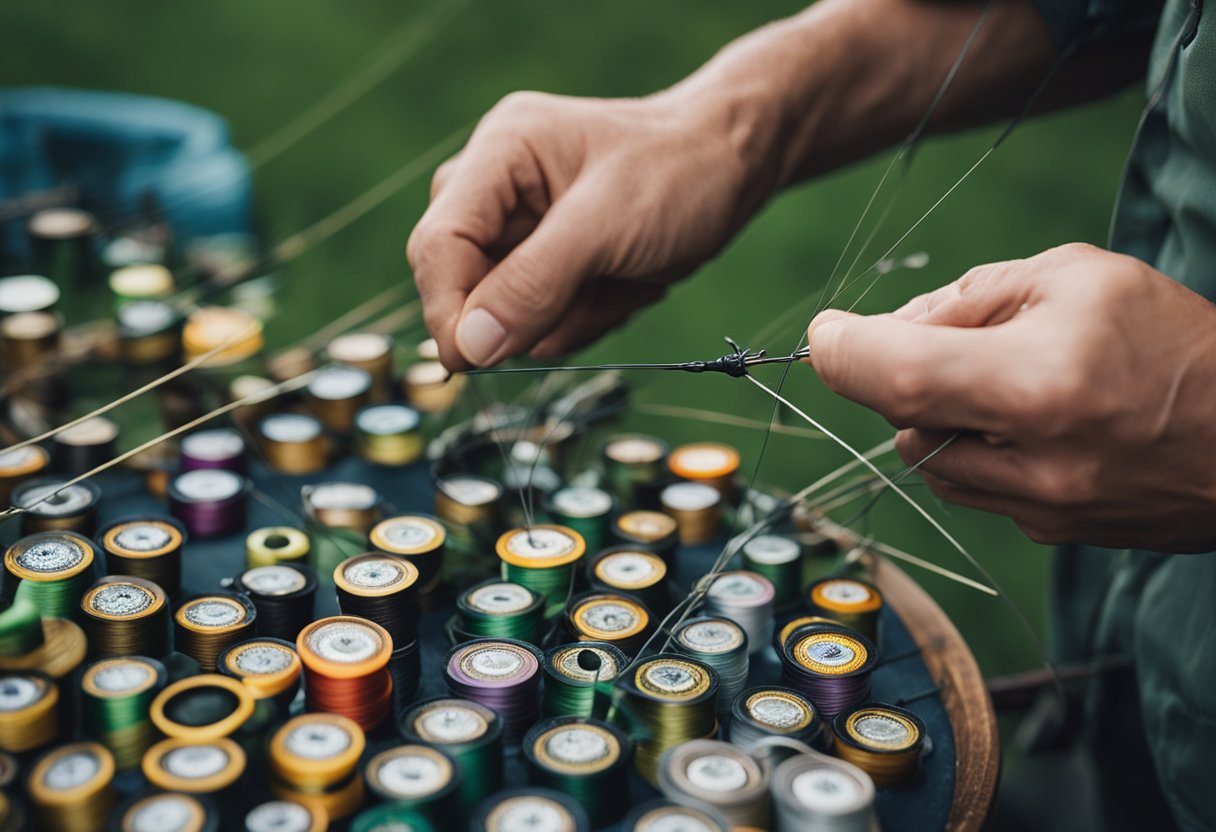
I often use a knot tool to ensure precision, especially with thinner threads. The whip finish can also be helpful for finishing off customizations. When attaching a loop connector, you might consider using a tippet ring for added versatility and easy line changes. The choice of knot will depend on the materials and conditions.
Strength and Durability Considerations
When it comes to knot strength, I prioritize knots with high tensile strength. It’s important to consider the leader material and its diameter. Thin materials can reduce knot strength, while thicker ones typically offer more durability.
Using a tippet ring can distribute stress evenly and reduce abrasion, which is vital when targeting bigger game fish. I also examine the efficiency of knot tying methods, as quick and secure connections save time on the water. Remember, the goal is to maintain strength while ensuring ease of use in all fishing conditions.
Specialized Loop Connectors and Techniques
I find that specialized loop connectors enhance my fly fishing experience significantly. These connectors are crucial for maximizing efficiency and success in different fishing techniques. Below, I will cover loop connectors tailored for big game fishing and those suited for Euro nymphing.
Loop Connectors for Big Game Fishing
When targeting big game fish like salmon, the choice of loop connector is vital. I prefer durable connectors that can withstand high tension and aggressive strikes.
A strong furled leader is often my go-to. This type is particularly effective for big game because it offers low drag and excellent energy transfer during casting.
I also ensure that my loop connectors are paired with a robust tippet, capable of handling the strength of larger species:
Test Ratings: Choose connectors rated for at least 20-30 lbs.
Material: Look for connectors made from nylon or fluorocarbon.
Using these connectors allows me to maintain control when using streamers or dry flies, effectively managing the fight during landing.
Euro Nymphing: Loop Connectors and Leaders
In Euro nymphing, precision is essential. I typically opt for lightweight loop connectors that facilitate quick changes in tippet length without adding bulk.
A thin, flexible loop works best with the tight line techniques I employ. These connectors allow me to easily adjust my leaders, optimizing my setup based on water conditions.
Here are some key considerations:
Length: A shorter loop is often more effective, allowing for better sensitivity.
Connection Type: A simple loop-to-loop connection keeps adjustments quick and straightforward.
I often use a combination of a fine tippet and a strong backing to ensure I can respond swiftly to any fish strike. This method enhances my efficiency and effectiveness throughout my Euro nymphing sessions.
In my experience as a fly angler, finding the right loop connector can significantly enhance your fishing success. Fly fishing loop connectors offer a reliable way to attach tippets to your fly line, ensuring strong, effective connections when targeting species like trout and bass in freshwater environments. Selecting the best connectors tailored to your fishing style can make a noticeable difference in your overall performance.
When targeting trout, I recommend loop connectors that provide a seamless transition from the main line to the tippet, allowing for better presentation and improved strike detection. For bass, a sturdier connector can withstand the aggressive action of these fish, ensuring that your line remains intact during energetic fights.
Exploring loop connectors specifically designed for fly fishing tippets is essential for optimizing your setup. These connectors help streamline the process and improve your efficiency on the water, making them a vital component of any angler’s gear.
Fly Line Fundamentals
Understanding the essential aspects of fly lines is crucial for any angler. Fly lines vary in composition and purpose, directly influencing casting efficiency and fish success rates.
Components of Fly Lines
Fly lines typically consist of several key components: backing, fly line, leaders, and tippet.
Backing is the line that attaches to the reel. It provides extra length for larger fish and acts as a buffer.
Thefly line is the primary line used for casting. It is thicker and heavier, helping to propel the fly into the desired location.
Leaders are thinner lines that connect the fly line to the fly. They allow for a smoother transfer of energy during the cast.
The tippet is the final segment that connects to the fly, offering minimal visibility to fish.
Each component plays a role in the overall efficiency and stealth of my setup.
Fly Line Types and Uses
Fly lines come in various types, each designed for specific fishing conditions.
Floating lines are ideal for surface flies, especially for trout in freshwater.
Sinking lines help present flies deeper in the water column, making them suitable for bass and winter trout fishing.
Intermediate lines offer versatility, allowing me to control the depth at which my flies are presented.
When choosing a fly line, I consider factors such as water type, species targeted, and the specific techniques I plan to use. The right fly line enhances my casting accuracy and improves my chances of landing fish.
Understanding Loop Connectors
Loop connectors are essential tools in fly fishing, facilitating easy connections between leaders, tippets, and fly lines. I find that choosing the right type can have a significant impact on performance and efficiency during fishing sessions.
Types of Loop Connectors
There are several types of loop connectors I commonly use in fly fishing.
Welded Loops: These loops are integrated into the fly line, offering a strong and reliable connection. They are perfect for quick setups and provide smooth transitions between lines.
Braided Loop Connectors: Made from braided material, these loops are flexible and can adapt to various line types. They are particularly useful for making loop-to-loop connections.
Leader Loops: Found on tapered leaders, these loops allow for easy attachment of tippets. They simplify the process of changing leaders without compromising strength.
Each type has its benefits, and I select based on the specific fishing conditions and species targeted.
Attaching Loop Connectors
Attaching loop connectors can be straightforward when done correctly.
Loop-to-Loop Connection: This method is efficient. I simply slide the loop of the tippet through the welded loop of the leader, creating a secure connection.
Nail Knot: For those who prefer a more permanent solution, I often use the nail knot to attach tippets to the main line. It provides a snug fit.
Albright Knot: For connecting lines of different diameters, the Albright knot is my go-to. It ensures a strong connection that can withstand the tension while casting.
Each technique has its place, and I choose based on the specifics of my setup.
Targeted Fly Fishing Techniques
In my experience, different techniques are essential for successfully targeting trout and bass. Each species requires a tailored approach considering their behavior, habitat, and feeding habits.
Fly Fishing for Trout
When fly fishing for trout, I focus on using specific types of flies that mimic natural food sources. Common patterns include nymphs, dry flies, and streamers. I often choose a tippet size between 4X and 5X for finesse in clear water conditions.
Casting Techniques:
Roll Cast: Useful for presenting flies without spooking fish.
Mend: Adjusts the line on the surface to create a natural drift.
Positioning is crucial. I like to fish near structures such as rocks or undercut banks, where trout seek shelter. Always pay attention to the water’s flow and adjust my retrieves to match the current speed.
Fly Fishing for Bass
Targeting bass requires a more aggressive approach. I favor heavier tippets, like 8X or 10X, to handle the fish’s strong runs. For lures, I mainly use topwater flies, deceivers, and popper patterns.
Effective Strategies:
Pound the Banks: Cast close to the shore and work the structure.
Slow Retrieve: Allow the fly to sink and retrieve it slowly for enticing bites.
I usually fish in warmer months, as bass are more active then. Observing their behavior and adapting my techniques accordingly increases my success rate significantly. Time spent mastering these specifics pays off in my fishing endeavors.